
Attunement is the often-overlooked foundation of healthy, lasting relationships. More than just listening or being kind, it’s the ability to deeply understand your partner’s emotional world and respond in ways that create safety, appreciation, closeness, support, fun, and shared direction. When attunement fades, couples don’t just argue more; they feel unseen, disconnected, and unsure how they got there. This article explores the science and psychology behind attunement, how it shapes long-term relationship satisfaction, and why assessing the true state of your emotional connection is the first step toward rebuilding it, starting with a clear, honest look at where your relationship stands right now.
Think back to a moment when you felt truly understood by your partner, not just heard, but genuinely met.
Maybe they picked up on something you hadn’t even said out loud.
Maybe they knew exactly what you needed without being asked. That feeling, that quiet, settling sense of being known, has a name.
It’s called attunement, and it may be the single most underrated ingredient in a thriving relationship.
We tend to talk about relationships in terms of communication, trust, or love languages.
And all these things matter.
But attunement operates beneath all of them.
It’s the invisible signal that determines whether two people feel close or quietly disconnected, even when everything on the surface looks fine.
And here’s an important reality worth sitting with: most couples don’t fall apart because of a single catastrophic event…
They drift apart because attunement quietly erodes, and nobody notices until the distance feels too wide to cross.
So what is attunement, really?
And more importantly, do you know whether you and your partner still have it?

What Attunement Actually Means
The word attunement comes from the world of developmental psychology.
Researchers like Daniel Stern used it to describe what happens between a mother and infant: synchronised, wordless responsiveness that tells a baby, “I see you, I feel you, you’re not alone.”
What’s remarkable is that this same dynamic doesn’t disappear when we grow up.
We carry the need for it into every close relationship we form.
In adult romantic relationships, attunement looks like a partner who notices when you’re tired before you say so.
It sounds like a conversation that shifts naturally because one of you sensed the other needed to go somewhere deeper.
It feels like being in a room together and not having to perform, explain, or justify yourself.
It’s presence, not just physical proximity, but genuine emotional presence.
Dr Stan Tatkin, a clinical psychologist and creator of the Psychobiological Approach to Couple Therapy (PACT), argues that the nervous systems of two partners in a committed relationship are deeply intertwined.
When attunement is strong, partners naturally regulate each other, they calm each other down, lift each other up, and act as what Tatkin calls “each other’s home base.”
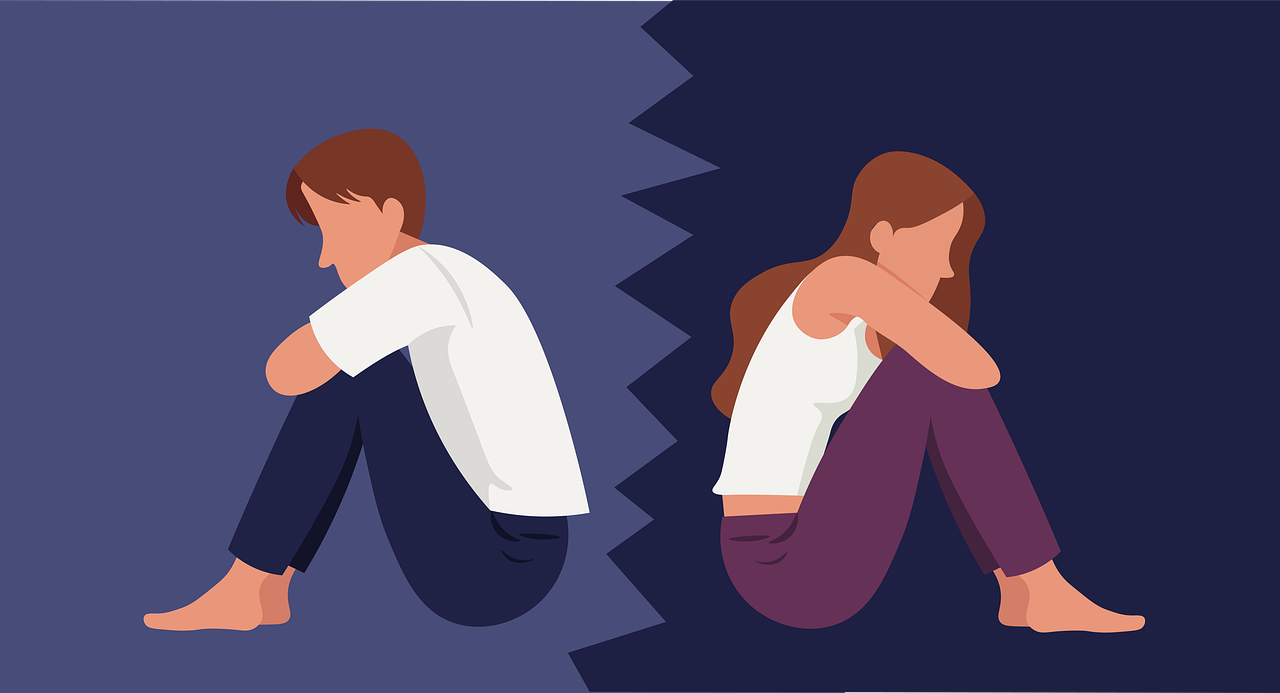
But when attunement weakens, that regulatory function breaks down, and partners can start to feel like sources of stress rather than safety.
Why Attunement Slips Away
Now here’s something that might feel uncomfortable but is vital to understand:
Attunement doesn’t fail in most relationships because people stop loving each other. It fades because life gets loud.
therelationshipguy.com
Work pressure, parenting demands, financial stress, and health challenges all pull our attention outward, and before long, we stop really tracking our partner.
We start assuming we know them.
We stop asking.
We stop noticing.
Dr John Gottman’s decades of relationship research at the University of Washington found that couples who stay together are distinguished not by how passionately they love each other, but by how consistently they turn toward each other in small moments.
He called these moments “bids for connection”, which are essentially a touch on the shoulder, a comment about something interesting, a shared glance.
Attuned partners notice these bids and respond.
Partners who have lost attunement miss them, or worse, dismiss them without realising it.
So, ask yourself honestly here:
- When was the last time you felt like your partner was truly tracking you, not just listening, but really, carefully, paying attention?
- And when was the last time you did that for them?
The Six Pillars Attunement Flows Through
Attunement doesn’t live in one corner of a relationship; it moves through every dimension of how two people connect.
And when we look closely at what makes couples feel genuinely close and satisfied over time, certain areas keep surfacing.
Emotional safety is perhaps the most foundational.
When partners feel emotionally safe, they can be honest without fear of judgment, express vulnerability without bracing for ridicule, and disagree without catastrophising the outcome.
Attunement is what creates that safety.
When your partner consistently demonstrates that they are paying attention to your emotional state and responding with care, the nervous system learns to relax around them.
Without attunement, partners start self-editing.
They share less.
They protect more.
And slowly, they become strangers who share a postcode.
Appreciation is another place where attunement shows itself vividly.
It’s easy to notice what’s wrong in a relationship, particularly when we’re stressed or hurting.
But attuned partners develop what researchers call a “positive sentiment override”, which means they notice and acknowledge the good things their partner does, often without being prompted.
This isn’t toxic positivity or ignoring real problems; it’s the habit of genuinely seeing your partner and letting them know you do.
Closeness is another important area.
It is essentially that felt sense of warmth, intimacy, and belonging that fluctuates in every relationship.
But attunement is what brings it back when life has pushed it temporarily off course.
Attuned partners are curious about each other.
They keep asking questions even after years together, because they understand that people change and a relationship requires ongoing rediscovery, not just maintenance.
Support, knowing your partner has your back, is another vital area and is deeply shaped by how attuned they are to your needs (and vice versa).
Research consistently shows that feeling supported is less about the actions a partner takes and more about whether those actions feel responsive.
In other words, a partner who shows up with what you actually need, rather than what they assume you need, is demonstrating attunement.
It’s the difference between the grand gesture that misses the mark and the small, perfectly timed act of care that says, “I see you.”
Now, fun might seem like the odd one out here, but it’s more important than it gets credit for.
Shared laughter, playfulness, and genuine delight in each other’s company are neurologically bonding.
But when couples stop having fun together and when life becomes purely logistical, attunement starts to lose its warmth.
Playfulness requires presence, and presence is the core of attunement.
And then there’s shared direction.
It’s the sense that you’re building something together, that your lives are pointed toward the same horizon.
Attunement in this dimension means staying genuinely curious and engaged with your partner’s evolving hopes or dreams, rather than assuming you know where they’re headed because you’ve been together for years.
People grow.
They change.
Their dreams shift.
And so, attuned partners grow together, whereas unattuned partners often grow in parallel without ever really intersecting.
That ultimately leads to growing apart.
Rebuilding Attunement And Where to Start
The encouraging thing about attunement is that it’s not fixed.
It can be rebuilt, deepened, and cultivated deliberately.
And it doesn’t require years of therapy (though therapy is valuable).
It only requires turning your attention back toward your partner consistently, curiously, and without agenda.
But here’s where many couples get stuck: they try to fix things without really understanding what’s broken.
They address symptoms such as arguments, distance, and a lack of intimacy without getting a clear picture of the underlying health of their connection.
And if you think about it, that’s a bit like treating a cough without checking whether it’s allergies, a virus, or something that needs more serious attention.
Good intention, but useless strategy.
The most useful first step isn’t a date night or a difficult conversation (though both have their place).
It’s getting an honest, clear assessment of where your relationship actually stands right now, across all the dimensions that matter.
So,
The Question Worth Asking Yourself Today
Attunement is not a destination you arrive at, park, and then forget.
No.
It’s a living, breathing quality of the relationship that requires ongoing attention.
The couples who sustain it over decades aren’t doing so because they were lucky enough to be perfectly compatible…
They’re doing it because they stay curious, they keep showing up, and they take the health of their connection seriously enough to keep checking in.
So let’s end with a question worth sitting with:
If you had to honestly rate how well you and your partner are attuned to each other right now, across emotional safety, appreciation, closeness, support, fun, and where you’re both headed, what would you discover?
You might feel confident in some areas and uncertain in others.
You might have a nagging sense that things are fine, but not quite as alive as they once were.
Or you might already know there are specific gaps you’ve been quietly circling around, unsure where to start.
Whatever your situation, clarity is a gift to both you and your relationship.
And that’s exactly why I created a free Relationship Health Check-in quiz.
It’s a short, thoughtful assessment that gives you a clear picture of how your relationship is doing across the six core areas that most shape connection and satisfaction over time: emotional safety, appreciation, closeness, support, fun, and shared direction.
It won’t tell you what to do or make decisions for you.
But what it will do is give you a map…
An honest, grounded view of where you are right now, so you can move forward with intention rather than guesswork.
So, if you’re interested,
Take the Relationship Health Check today.
Because the best thing you can do for your relationship isn’t to wait until something goes wrong.
It’s to understand what’s actually happening while there’s still time and space to shape where things go next.
